Posted on Leave a comment

American Wagyu Brisket Tips: How to Smoke It Juicy, Tender, and Full of Flavor
American Wagyu Brisket Tips: How to Smoke It Juicy, Tender, and Full of Flavor

American Wagyu Brisket

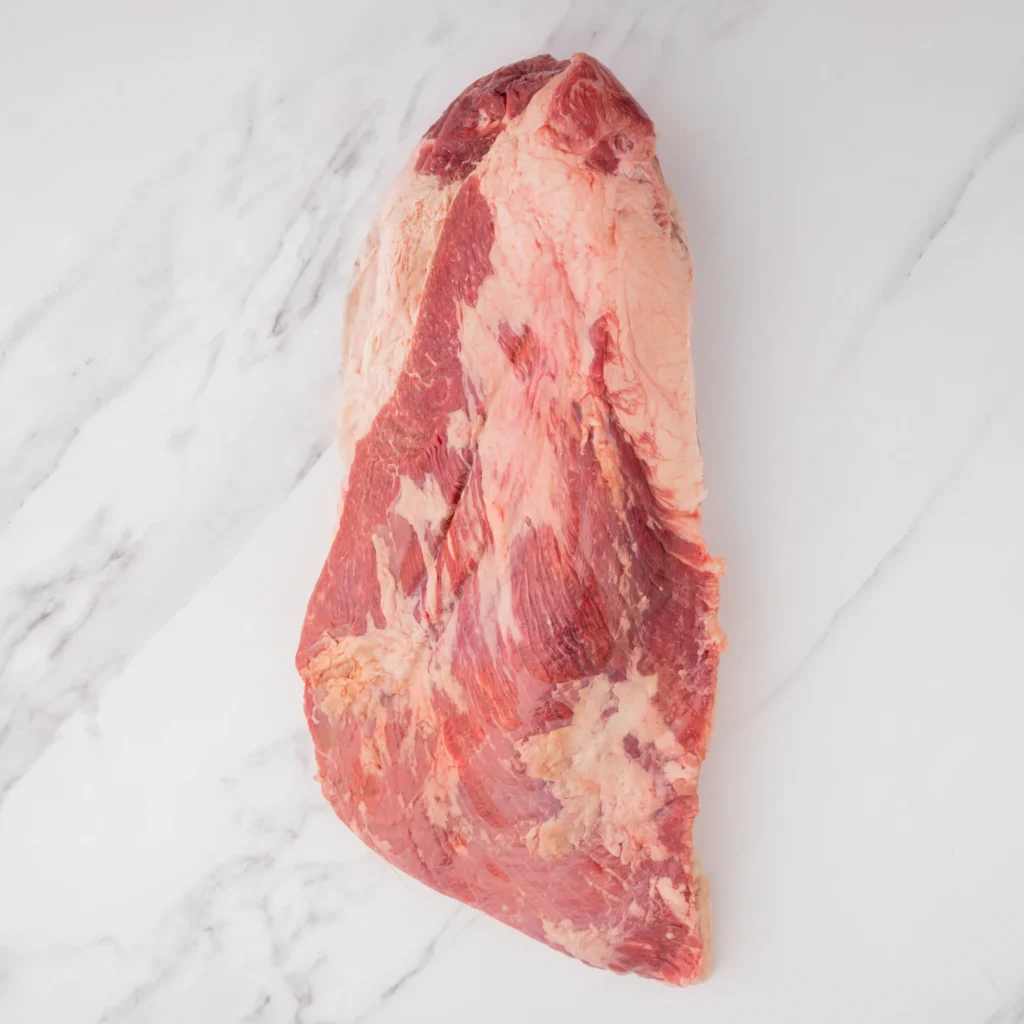
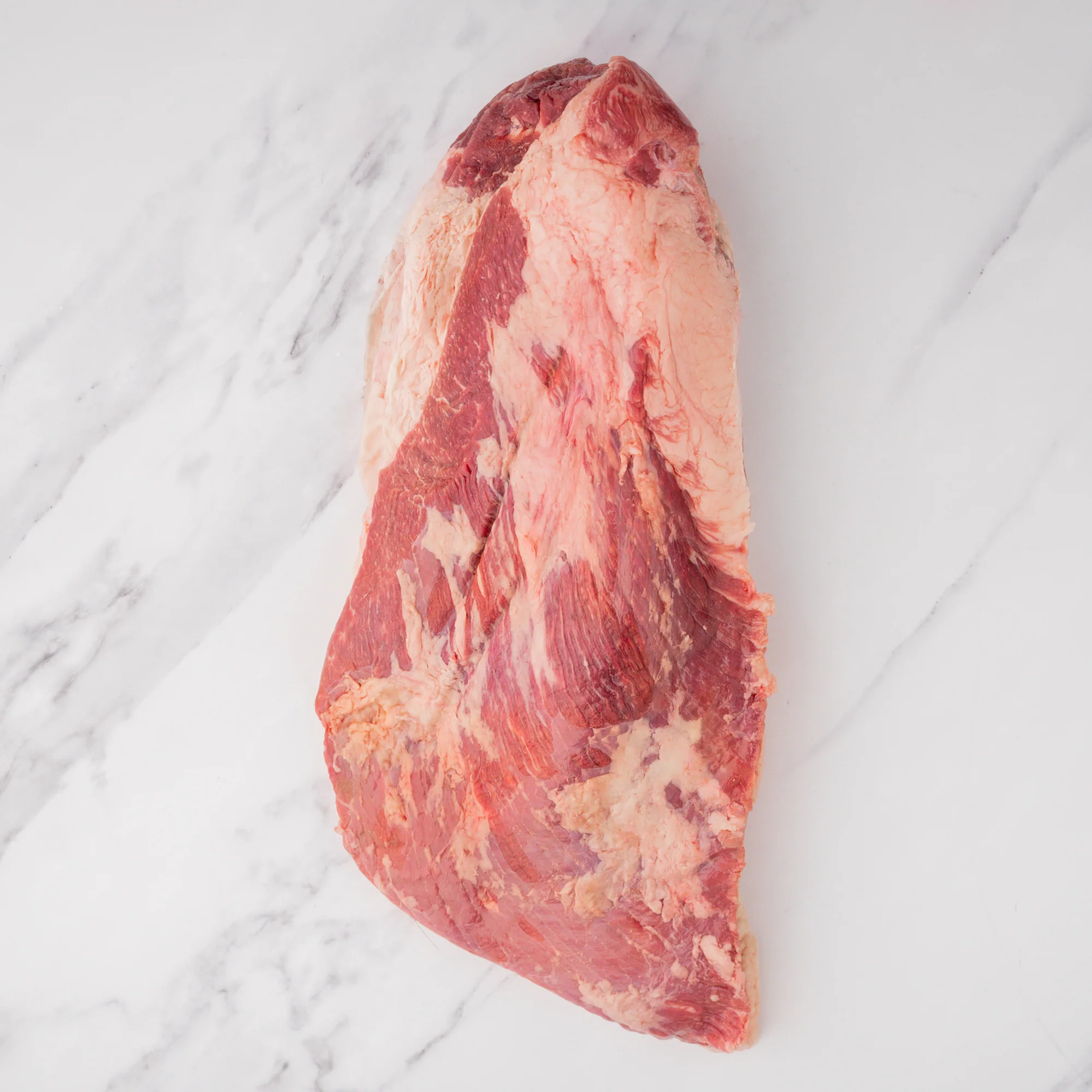
American Wagyu brisket feels special before it even hits the smoker. With rich marbling, buttery fat, and deep beefy flavor, it rewards patience more than fancy tricks.

The key is simple: trim smart, season boldly, cook gently, and let the brisket rest like it earned a vacation.

What Makes American Wagyu Brisket Different?

American Wagyu brisket has more intramuscular fat than many standard briskets. That marbling helps the meat stay tender and juicy, but it also means you need to treat it a little differently than a typical choice or prime brisket.

Many brisket guides recommend smoking until around 200°F to 205°F internal temperature, but Wagyu can sometimes feel tender earlier because of its higher fat content. Several Wagyu-focused recipes suggest wrapping around 160°F to 170°F and cooking until probe-tender rather than relying only on a final number.

Quick American Wagyu Brisket Tips

Before we get into the full method, here are the big things to remember:

  • Start with a whole packer brisket if possible.
  • Trim hard fat, but leave about ¼ inch of soft fat cap.
  • Season earlier than usual so the salt can work into the meat.
  • Smoke low and steady between 225°F and 250°F.
  • Wrap when the bark looks dark and set, usually around 160°F to 175°F internal.
  • Pull when the brisket feels probe-tender, not just when it hits a number.
  • Rest for at least 1 hour, preferably 2 to 4 hours.

Best Tools for Smoking American Wagyu Brisket

A beautiful brisket deserves a few reliable tools. You do not need every gadget, but these make the process easier.

ToolWhy It HelpsGood For
Leave-in meat thermometerTracks internal temperature without opening the smokerConsistent cooking
Instant-read thermometerChecks tenderness in the flat and pointFinal doneness
Pink butcher paperProtects bark while letting steam escapeBetter bark
Sharp trimming knifeHelps shape the brisket cleanlyEven cooking
Large cutting boardGives you room to slice properlyClean serving
Cooler or insulated boxHolds the brisket warm during restJuicier slices

Affiliate CTA: A dependable leave-in thermometer and a roll of butcher paper are two of the best brisket investments you can make. They help you cook with confidence instead of guessing.

Ingredients

  • 1 whole American Wagyu brisket, 12 to 18 pounds
  • ¼ cup kosher salt
  • ¼ cup coarse black pepper
  • 1 tablespoon garlic powder
  • 1 tablespoon smoked paprika, optional
  • 1 to 2 tablespoons yellow mustard or Worcestershire sauce, optional binder
  • Beef tallow, optional for wrapping
  • Post oak, hickory, pecan, or oak pellets/chunks

Best Seasoning for American Wagyu Brisket

Keep the seasoning simple. Wagyu already brings rich flavor, so you do not need a sugary rub or a long spice list.

A Texas-style mix of kosher salt and coarse black pepper works beautifully. Garlic powder adds savory depth. Smoked paprika adds color, but you can skip it if you want a cleaner beef flavor.

For best results, season the brisket 8 to 12 hours ahead. One Wagyu brisket guide recommends seasoning the night before because the extra fat can make under-seasoned Wagyu taste a little flat.

How to Trim American Wagyu Brisket

Good trimming helps your brisket cook evenly and build better bark.

  1. Place the cold brisket on a large cutting board, fat side down first.
  2. Remove any loose, thin edges that may burn during the cook.
  3. Trim away hard pockets of fat. Hard fat will not render as nicely as soft fat.
  4. Flip the brisket fat side up.
  5. Trim the fat cap to about ¼ inch thick.
  6. Round off sharp corners so smoke and heat move evenly around the meat.
  7. Save the trimmings if you want to render beef tallow for wrapping.

Do not overtrim American Wagyu. That beautiful fat is part of the reason you paid for it.

Should You Cook Wagyu Brisket Fat Side Up or Fat Side Down?

This depends on your smoker.

Cook fat side down if the heat comes from below, like many pellet grills and bullet smokers. The fat cap protects the meat from direct heat.

Cook fat side up if your heat rolls over the top, as it may in some offset smokers.

Pitmasters debate this, but the best choice comes down to heat direction. The fat cap works best as a shield between the brisket and the strongest heat source.

How to Smoke American Wagyu Brisket

1. Season the brisket

Coat the brisket lightly with mustard or Worcestershire sauce if using a binder. Sprinkle the rub evenly on all sides.

Do not cake it on. You want a full coating, not a spice crust that falls off.

Place the brisket on a tray, cover it loosely, and refrigerate for 8 to 12 hours.

2. Preheat the smoker

Set your smoker to 225°F to 250°F.

For classic barbecue flavor, use post oak. Aaron Franklin has long recommended well-seasoned post oak for brisket because it gives mild smoke without overpowering the meat.

3. Smoke the brisket

Place the brisket on the smoker with the thicker point facing the hotter side.

Close the lid and let the brisket cook undisturbed for the first few hours. Opening the lid too often lets heat escape and stretches the cook.

Smoke until the bark turns dark, firm, and beautiful. This usually happens around 160°F to 175°F internal temperature.

4. Wrap the brisket

When the bark looks set, wrap the brisket tightly in butcher paper.

For extra richness, spoon a little warm beef tallow over the brisket before wrapping. This can help protect the bark and add moisture during the final stretch.

5. Finish cooking

Return the wrapped brisket to the smoker.

Cook until the thickest part of the flat feels tender when pierced with a thermometer probe. It should feel like sliding into softened butter.

For many briskets, this happens around 195°F to 205°F. With American Wagyu, start checking earlier, around 190°F, because the marbling may make it tender before a standard brisket would be ready.

6. Rest the brisket

Resting is not optional.

Let the wrapped brisket rest for at least 1 hour. For even better results, rest it 2 to 4 hours in a warm cooler or insulated box.

This helps the juices settle and makes slicing much easier.

American Wagyu Brisket Temperature Guide

StageTemperatureWhat to Look For
Smoker temp225°F to 250°FSteady, clean smoke
Wrap point160°F to 175°F internalDark bark, firm surface
Start checking tenderness190°F internalProbe the flat
Common finish range195°F to 205°F internalProbe-tender texture
Resting temp goalHold warm above 140°FJuicy, sliceable brisket

Food safety note: The USDA lists 145°F with a 3-minute rest as the safe minimum internal temperature for whole cuts of beef, but brisket needs a much higher temperature to break down connective tissue and become tender.

How Long Does American Wagyu Brisket Take?

Plan for 1 to 1½ hours per pound at 225°F to 250°F, plus resting time.

A 14-pound brisket may take 12 to 18 hours from start to finish, depending on thickness, smoker style, weather, and how long the stall lasts.

Do not rush it. Brisket finishes when it feels tender, not when the clock says dinner is ready.

Common Mistakes to Avoid

Trimming off too much fat

American Wagyu fat is flavor. Remove hard fat and thick excess, but keep enough soft fat to protect the meat.

Using too much sweet rub

Sugary rubs can burn during a long smoke. Keep the rub simple and savory.

Wrapping too early

Wait until the bark sets. If you wrap too soon, the crust may turn soft.

Pulling only by temperature

Temperature gets you close. Tenderness tells you the truth.

Skipping the rest

Cutting too soon lets juices run across the board instead of staying in the meat.

How to Slice American Wagyu Brisket

  1. Unwrap the rested brisket and save any juices.
  2. Separate the flat from the point if needed.
  3. Slice the flat against the grain into pencil-thick slices.
  4. Turn the point and slice it against its grain.
  5. Serve right away with warm juices spooned over the top.

The flat should bend gently over your finger without falling apart. The point should taste rich, tender, and almost buttery.

What to Serve with American Wagyu Brisket

Keep the sides simple so the brisket stays the star.

  • Creamy coleslaw
  • Smoked baked beans
  • Pickles and onions
  • Cornbread
  • Potato salad
  • Mac and cheese
  • Grilled corn
  • Soft white bread or brioche buns

Best Sauces for Wagyu Brisket

American Wagyu brisket does not need much sauce. A bright, tangy sauce works better than a heavy sweet one.

Try:

  • Texas-style vinegar barbecue sauce
  • Spicy espresso barbecue sauce
  • Thin mustard barbecue sauce
  • Chimichurri for a fresh twist
  • Warm beef tallow and pan juices

Serve sauce on the side. Let everyone decide.

Leftover Ideas

Wagyu brisket leftovers are gold. Store them carefully and use every bit.

  • Brisket breakfast tacos
  • Smoked brisket chili
  • Brisket grilled cheese
  • Loaded baked potatoes
  • Brisket hash with eggs
  • Barbecue brisket nachos
  • Brisket fried rice

To reheat, wrap slices with a splash of beef broth or reserved juices. Warm gently at 275°F until hot.

Final Thoughts

American Wagyu brisket is rich, forgiving, and unforgettable when you cook it with patience. Trim it with care, season it simply, smoke it steadily, and trust tenderness over temperature.

Once you slice into that juicy, smoky brisket, you will know why Wagyu has such a loyal following.

Happy cooking!

More Articles:

Best Cricut Linen Vinyl

RED LONGHAIR Dachshund Dog In Gait Welcome Sign by Michael Park Review

Best Egro One Top Milk XP NMS

ButcherBox
Posted on Leave a comment

American Wagyu Brisket Tips

American Wagyu Brisket Tips for BBQ Perfection: 17 Powerful Secrets to Elevate Your Backyard Game


American Wagyu Brisket Tips

Table of Contents


American Wagyu Brisket Tips for BBQ Perfection

Introduction to American Wagyu Brisket

If you're serious about backyard barbecue, mastering American Wagyu Brisket Tips for BBQ Perfection is a game-changer. Wagyu brisket isn’t just another cut of beef—it’s a premium experience. Known for its rich marbling and buttery texture, this brisket can take your weekend BBQ from average to unforgettable.

What Makes Wagyu Brisket Special

American Wagyu brisket stands out because of its intense marbling. That intramuscular fat melts slowly during cooking, keeping the meat moist and packed with flavor. Unlike standard brisket, Wagyu is more forgiving—but only if you treat it right.

Why Backyard BBQ Enthusiasts Love It

For backyard pitmasters, Wagyu brisket offers a chance to produce restaurant-quality results at home. It’s the ultimate flex at a cookout—tender slices, juicy bites, and that perfect smoke ring.


Understanding the Cut

Flat vs Point Explained

A full brisket has two main parts:

  • Flat (Lean): Easier to slice, less fat
  • Point (Deckle): Rich, fatty, and more flavorful

The magic happens when both are cooked together.

Choosing Whole Packer Brisket

Always go for a whole packer brisket. It gives you control over the cook and delivers the best balance of texture and taste.


Selecting the Best American Wagyu Brisket

Marbling and Grade Importance

Look for:

More marbling = more flavor and tenderness.

Where to Buy Quality Wagyu

Trusted butcher shops, specialty meat markets, or reputable online suppliers are your best bet.


Essential Tools for BBQ Success

Smokers and Fuel Types

Choose from:

  • Offset smokers (traditional flavor)
  • Pellet grills (easy control)
  • Charcoal smokers (balanced approach)

Must-Have Accessories

  • Meat thermometer (non-negotiable)
  • Sharp slicing knife
  • Butcher paper or foil
  • Heat-resistant gloves

Prepping Your Wagyu Brisket

Trimming Techniques

Trim excess fat to about ¼ inch. Too much fat prevents seasoning from penetrating.

Fat Cap Considerations

Leave enough fat to protect the meat during cooking, but don’t overdo it.


Seasoning for Maximum Flavor

Simple Rub vs Complex Rub

Wagyu shines with simplicity. A basic rub often works best.

Salt and Pepper Ratio Secrets

The classic Texas-style rub:

  • 50% kosher salt
  • 50% coarse black pepper

Let the meat speak for itself.


Smoking Techniques for Wagyu Brisket

Ideal Temperature Range

Keep your smoker steady at:

  • 225°F to 250°F

Low and slow is the golden rule.

Wood Selection for Flavor

Best woods include:

  • Oak (balanced)
  • Hickory (strong)
  • Post oak (Texas classic)

Avoid overpowering woods like mesquite for Wagyu.


Managing the Cook

The Stall Explained

Around 160°F, the brisket may stop rising in temperature. This is normal—it’s moisture evaporating.

Wrapping Methods (Texas Crutch)

Wrap at the stall using:

  • Butcher paper (breathable)
  • Foil (faster cook)

Temperature and Timing

Internal Temperature Guide

Target range:

  • 195°F to 205°F

When It’s Truly Done

Don’t rely only on temperature. Use the probe test—it should feel like butter.


Resting the Brisket

Why Resting is Crucial

Resting allows juices to redistribute, making every bite juicy.

Proper Holding Techniques

Wrap and place in a cooler for 1–3 hours.


Slicing Like a Pro

Cutting Against the Grain

Always slice against the grain for tenderness.

Presentation Tips

Use long, smooth strokes for clean slices.


Common Mistakes to Avoid

Overcooking or Undercooking

Both can ruin a great cut. Monitor closely.

Poor Fire Management

Consistent heat is key—avoid temperature swings.


Flavor Enhancements

Spritzing Techniques

Use apple cider vinegar or beef broth every hour to keep moisture.

Adding Tallow or Butter

Boost richness by adding Wagyu tallow during wrapping.


Advanced BBQ Techniques

Reverse Sear Method

Finish with a quick high-heat sear to enhance the crust.

Pellet vs Offset Smokers

  • Pellet: Convenience
  • Offset: Authentic flavor

Choose based on your style.


Pairing and Serving Ideas

Best Side Dishes

  • Coleslaw
  • Baked beans
  • Cornbread

Sauce or No Sauce Debate

True BBQ lovers often skip sauce—but offer it on the side.


Storage and Reheating Tips

Keeping Leftovers Juicy

Store in airtight containers with juices.

Reheating Without Drying

Reheat slowly in the oven with added moisture.


FAQs About American Wagyu Brisket Tips for BBQ Perfection

1. Is Wagyu brisket worth the price?

Yes, for special occasions—it delivers unmatched flavor and tenderness.

2. Do I cook Wagyu differently than regular brisket?

Slightly lower heat and careful monitoring due to higher fat content.

3. Should I trim more fat on Wagyu?

Moderate trimming is best; don’t remove all the fat.

4. How long does it take to smoke Wagyu brisket?

Typically 10–16 hours depending on size.

5. Do I need to marinate Wagyu brisket?

No, the natural flavor is already rich.

6. What’s the best wood for Wagyu brisket?

Oak or post oak for balanced smoke.


Conclusion

Mastering American Wagyu Brisket Tips for BBQ Perfection isn’t about complicated tricks—it’s about respecting the meat, controlling your fire, and staying patient. With the right approach, even a backyard enthusiast can produce competition-level brisket that melts in your mouth.

Stick to the fundamentals, experiment with techniques, and most importantly—enjoy the process. Because great BBQ isn’t just about food—it’s about the experience.

More Articles:

BLACK AND TAN Cocker Spaniel Dog In Gait Welcome Stake by Michael Park Review

Las Vegas Digital Set Review

Blossom Digital Set Review

Mystical Garden Digital Set Review

ButcherBox
Posted on 1 Comment

Smoked Ribs

bbq roast marinated baby back pork ribs close up hot flaming grill

BBQ Box

Getting the great taste of summer in your backyard may not come easy to you. But, with a bit of knowledge and a few tips on how to smoke ribs, you can rule the backyard barbecue. Let us help you. After all, our goal is getting you to the next level of flavor. Keep reading to boost your grill master skills, no matter your current level of expertise.
Preparation

1. Choose a good cut of meat — one right for smoking.
2. Trim the brisket bone (on spare ribs) and any side bones.
3. Remove the membrane so the seasonings penetrate the meat more fully.
4. Cutaway extra hunks of fat outside the bones. Leave the fat between the bones.
5. Apply multiple layers of flavor: First, use a rub or marinade. Second, choose wood which adds to your flavor. Third, use a mop sauce throughout cooking for flavor and moisture. And, finally, apply barbecue sauce as a glaze in the final minutes of cooking.

Smoking

• Smoke for four to six hours at low temperatures.
• A gentle stream of smoke, not billowing clouds, is your goal. Black smoke means the juices are burning and tainting your food. Adjust ventilation and the position of the ribs to produce white smoke.
• Stay nearby to attend to the cooking process, apply mop sauce and check the temperature every 45 minutes to an hour.
• Open the lid only when needed so heat and smoke stay inside.
• Ribs are done when meat shrinks back from the end of the bones by a quarter to half an inch. A dark caramelized crust on the ribs says “Let’s eat!”

Use regional wood you can find in your area, or find these hardwoods in most hardware stores.

  • Apple: Sweet, fruity and mellow, this wood takes longer to permeate the meat.
  • Cherry: Very fruity and mild, cherry combines well with other woods, like hickory, oak or pecan. It lends a vibrant mahogany color to meats.
  • Hickory: The most well known, popular and versatile wood, hickory burns slow. A sweet, savory, hearty flavor with a hint of bacon comes from getting it right — too much smoke makes the meat bitter.
  • Maple: Light and sweet with a mild smokiness, maple offers the most subtle flavor.
  • Mesquite: This intense, unique flavor may become overpowering for large cuts requiring longer smoking times. And, its oily nature makes it easier to burn.
  • Oak: Great for the newbie, this go-to wood produces a medium to strong flavor without the risk of overpowering the natural flavor of the meat. It works great for longer smoking times.
  • Pecan: Mildly fruity and nutty, pecan wood burns cooler and works well for bigger cuts of meat.
    You may also want to try ash, alder, pear, and plum. But avoid elm, cedar, cypress, pine, and sycamore. Their strength destroys the flavor of the meat. Finally, you may choose to use wood chips rather than chunks of wood.

Best Ribs for Smoking

Leaner ribs (like baby backs) work best for fast cooking methods, like straight grilling. Smoking may cook up a tough, dry dinner on leaner cuts. The high-fat content of spare ribs makes them ideal for smoking. However, you are free to experiment.

Choose the Best Ribs

Fresh, not frozen, pink-in-color ribs promise better results. Also, look for uniform size and fattiness in ribs for even cooking. Meat with fatty marbling remains moist and flavorful during long cooking hours. And, the fat melts away after hours in the smoker.Snake River Farms Wagyu 468

Ready to play with fire, create some smoke and turn up the summer heat in your backyard? We hope these tips inspire you to step behind the grill and take charge. Armed with information and resources you are sure to be ready. For more incentive, sign up for our monthly Grill Masters Club. Additional tips await you on how to smoke ribs, grill and more.


THE GREAT ESPRESSO RIBS

Get creative with this coffee-based baby back rib recipe.
Serves: 8

Ingredients

6 pounds baby-back pork ribs
Salt and pepper
2 tbsp minced garlic
2 tbsp olive oil
1 cup honey
1 cup ketchup
1/4 cup soy sauce
1/2 cup balsamic vinegar
1/4 cup very strong coffee or a double shot of espresso

Instructions

Cook garlic in olive oil in a skillet over medium heat for 5 minutes.
Remove from heat, then whisk in honey, ketchup, vinegar, soy, and espresso.
Return to heat; simmer for 15 minutes, then remove from heat again.
Preheat smoker to 225 degrees Fahrenheit.
Season ribs with salt and pepper; place in smoker and cook for 3 hours.
Remove ribs and baste with sauce.
Wrap in tin foil, then place in smoker again for 1 hour more.
Serve.

More Articles:

3500 calories in one pound of fat

The Walk In The Park

Running without back pain

ButcherBox